
The history of sourdough bread involves connections to ancient Egyptian times, biblical metaphors of breaking leaven bread and its popularity in 19th century U.S. gold rush mining society. With the rise of commercial yeast, food additives and industrial production methods, concern has increased in recent years about the links between chronic disease, environmental harm and ultra-processed foods.
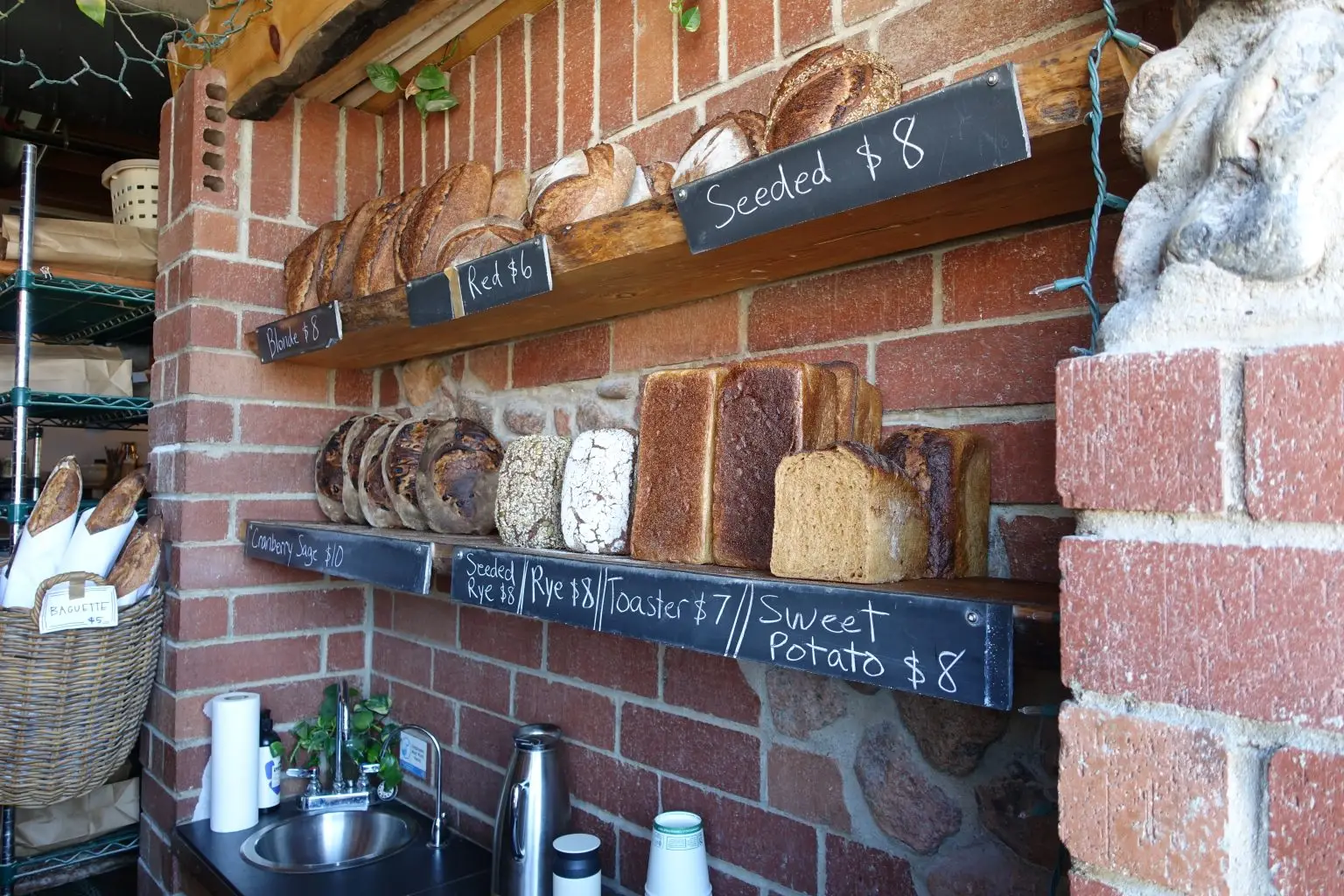
In Colorado Springs, a growing number of local efforts seek to return to a slower, more deliberate craft of breadmaking with fewer ingredients and more whole grains. In 2014, Sourdough Boulangerie began on the east side of town. Nightingale Bread opened in the Old North End in 2017. Provisions Bread and Bakery opened downtown in 2023 and, this April, Nature’s Start Bread Co. plans to open its own retail space on the west side, off Centennial Boulevard.
Sourdough’s “sour” taste comes from the acid in the “starter,” a simple mixture of water and flour at room temperature. This combines with yeast and bacteria in the air to create a bubbling solution that is further “fed” with flour.
Every starter has its own origin story. Victoria Tandberg, owner of Nature’s Start Bread Co., began baking at age 7 and honed the recipe while raising her nine children. She uses two starters: one is based off Carl Griffith’s 1847 Oregon Trail starter and another that she crafted while living in Hawaii, into which she incorporated mango shavings from trees in her backyard.
Sourdough can be made in as little as a day, but bakeries like Nightingale and Provisions use longer two- and three-day fermentation processes. This enhances flavor, allows wild bacteria and yeast in the bread to break down the phytic acid and gluten to release nutrients the body can readily absorb and creates an airier, lighter crumb (bread interior).
According to Provisions owner Brandon DelGrosso, this slower journey reduces glucose spikes in the bloodstream upon consumption. The fermentation process also allows freshly baked sourdoughs to sit at room temperature for several days without molding. Frozen storage methods work well, as does moistening with a little water as needed, before toasting to revive dried-out bread.
Flavor begins with the grain. Preserving all parts of the grain seed in the milling process imparts a more complex flavor, incorporating more bitter and savory tastes often absent from the mainstream American diet. The use of whole grains provides more fiber, protein and nutrients that are often sifted out of refined white flours. The extra fiber also serves as food for beneficial bacteria in the gut to help regulate a host of other bodily processes.
Sourdough culture has also become a source of community building. Nightingale freely makes its starter available to interested customers. All these bakeries source grains from smaller farms in Colorado, including the San Luis Valley, or neighboring states like Kansas, Wyoming and Utah. Amidst environmental concerns over water availability and soil health, many of these growers practice methods to maintain healthier balance of bacteria and fungi in the soil, which reduces the need for additional inputs and ultimately enhances the plants’ health. All these efforts not only support local agriculture and economies, but reintroduce whole grains like spelt, barley and rye to consumers’ diet. This ultimately cultivates a more diverse food culture around quality food.
Although it’s tempting to get caught up in all these bigger implications, Nightingale owner David McInnis put it best in a 2017 Colorado Public Radio interview, “I just want to make something that people would have traditionally called normal bread.”
And, perhaps, that is the best place to start.
For more information on the local bakeries:
https://www.thesourdoughboulangerie.com
https://www.nightingalebread.com
https://www.provisionbread.com
https://naturesstartbreadco.com